UHMWPE Lining for Discreet Stab Wear: What You Should Check
UHMWPE lining is a layer of ultra-high-molecular-weight polyethylene fibre used in some stab-resistant clothing. Its protective performance depends on the garment’s construction and testing. It can be used in garments, and its protective performance can be assessed through testing.
TL;DR:
Ply count, orientation, and fabric construction affect stab performance and flexibility, so request results for the exact garment rather than relying on fiber claims.
Check that an independent lab report names the method, garment model, threat profiles, and covered areas.
Protection ends where the lining ends, so confirm coverage and fit, then try the jacket on and move to judge comfort, weight, and breathability.
Follow the maker’s care instructions, inspect seams and lining before each use, and contact the manufacturer if you find compression marks, cuts, or visible damage.
Table of Contents
-
What is UHMWPE lining and how does it differ from other protective materials?
-
How do you care for UHMWPE lining and how long does it last?
What is UHMWPE lining and how does it differ from other protective materials?
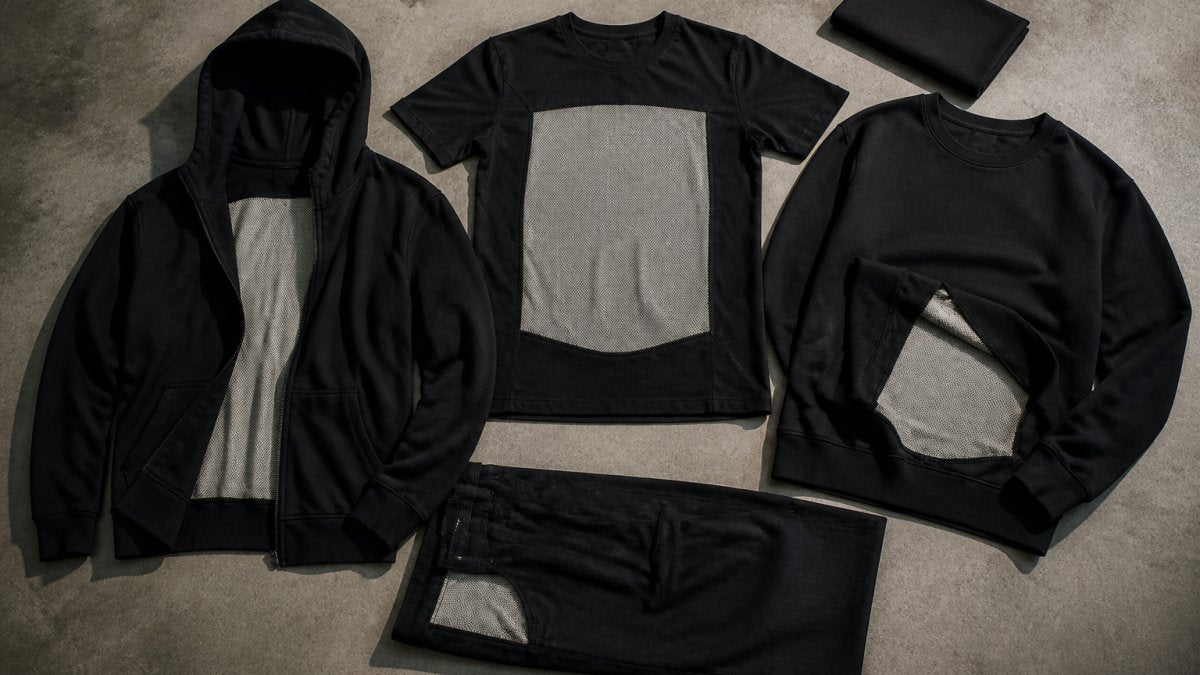
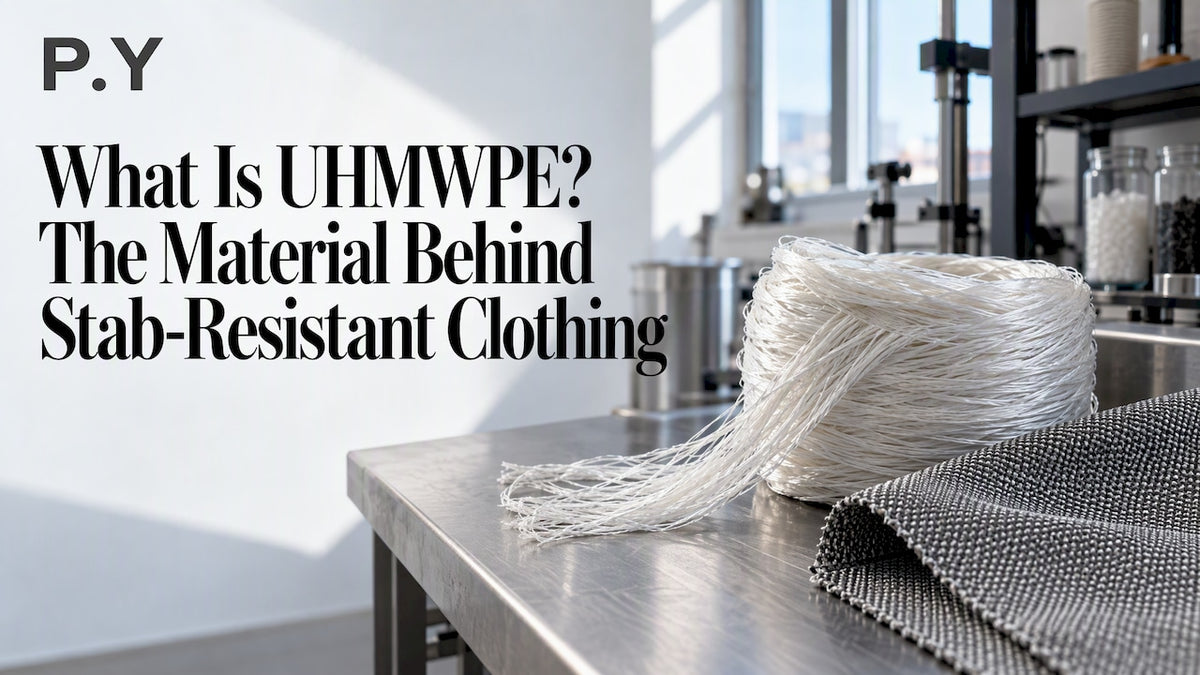
UHMWPE is a high-performance polyethylene fibre. In clothing, it is spun into yarn and built into a textile that sits between the outer shell and the inner lining of a jacket. It can be used in discreet garments, but thickness, weight and appearance depend on the garment’s design.
How that yarn is made into fabric matters as much as the fibre itself. Research on knitted UHMWPE structures shows that stitch density and yarn specification can be tuned to improve stab resistance while keeping the fabric flexible. Woven, non-woven and knitted constructions differ, and the fabric architecture can affect flexibility and stab resistance.
Manufacturers and laboratories also enhance the base fabric in several ways:
-
Shear thickening fluid (STF) treatment: an approach studied as an impregnation for UHMWPE fabric.
-
Thermoplastic impregnation: a treatment studied for its potential to improve energy absorption.
-
Blended yarns: combining UHMWPE with other fibres to alter the fabric’s properties.
-
Controlled layer counts: adding or removing plies to tune protection against weight.
How does UHMWPE lining defeat stab threats?
A blade’s interaction with a lining depends on its fibre and fabric structure. Construction choices can affect how the material responds to a strike.
Design choices decide how well those mechanisms work in a garment. Experiments on multi-ply warp interlock fabrics found that fabric architecture, ply orientation and the number of plies all meaningfully affect dynamic stab resistance, with certain stacking orders absorbing more energy. Here is what to recognise in practice:
-
The number of plies can affect both protection and wearability; ask for test results for the garment’s specific construction.
-
Ply orientation can affect stab resistance, and some stacking orders absorb more energy than others.
-
STF or thermoplastic treatments can improve energy absorption while retaining flexibility, according to UHMWPE research.
-
Protection only counts where the lining actually covers you, so coverage and fit matter as much as the material.
Pro Tip: Ask the seller how many plies the lining uses and how they are oriented. A vague answer is a warning sign.

There is no single “stab-proof” certificate: products are tested against specific blade and spike profiles, so judge each garment by the test it passed.
A credible test statement should include:
-
The standard or test method referenced
-
The name of the independent laboratory
-
The scope of the test, meaning which threats were assessed
-
The area of the garment that was covered
How do you choose discreet stab-resistant clothing?
Work through this checklist in order.
-
Define the threat. Decide whether you need stab protection, slash protection or both, then confirm the garment is tested for it.
-
Check coverage and sizing. Protection ends where the lining ends, so confirm which areas are covered and that the cut fits your frame.
-
Judge weight and breathability. If a jacket is uncomfortable, it stays in the wardrobe. Try it on and move.
-
Test how it looks day to day. A garment that blends with ordinary clothes is more likely to be worn.
-
Ask about care and warranty. Choose sellers who give maintenance guidance and publish their documentation.
-
Remember that protection reduces harm. Body protection is the last line of defence, not a reason to take risks.
For younger wearers, fit and freedom of movement matter even more. Our parent-focused guide, buying resistant gear for teens, covers sizing and coverage in detail.
How do you care for UHMWPE lining and how long does it last?
Treat the lining as protective equipment, not just fabric.
-
Follow the manufacturer’s care label, and contact the maker if you are unsure how to clean or store the garment.
-
Inspect seams and the lining before each use, looking for compression marks, cuts or visible damage.
-
Contact the maker if anything looks wrong rather than guessing.
-
Store the garment hanging or loosely folded, without heavy items pressing on it.
-
Follow the manufacturer’s guidance on protecting and storing the garment.
Why we build our jackets around UHMWPE lining
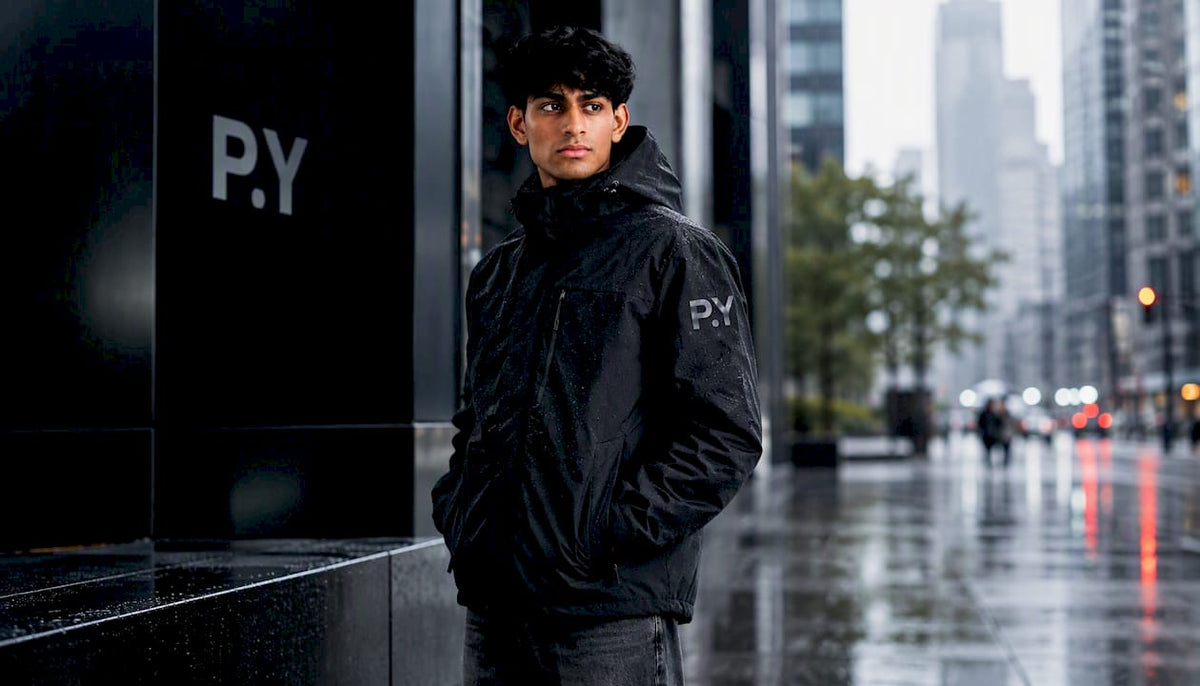
We chose UHMWPE-lined construction for our 001 jacket to combine streetwear styling with protective material. Check the jacket’s test documentation for details of its assessment. We believe you should never have to take a protective claim on trust, so we publish clear material information and test documentation alongside the product. The jacket material and testing details are collected on our jacket material and testing page, where you can read what the lining is made of and how it was assessed.
— P.Y
Where can you see and buy the 001 jacket?

Our 001 jacket is a streetwear jacket. See the 001 product page for its listed features and specifications. It was designed to look like ordinary clothing. Check the product’s test documentation to understand what protection has been assessed. You can read the full specification and order on the 001 product page, or see everything we make in the full collection. If you have questions before you buy, ask us for the test documentation first.
FAQ
What is UHMWPE lining in stab-resistant clothing?
UHMWPE lining is an inner layer of ultra-high-molecular-weight polyethylene fibre fabric built into a garment. Its response to a blade strike and its flexibility depend on the fabric construction and the garment’s test results.
Is UHMWPE lining the same as slash-resistant lining?
Not necessarily. Stab and slash resistance are tested separately, with the Home Office slash standard CAST0818 using SR1 and SR2 levels, as NPSA guidance explains. Check which threat a garment has actually been tested against.
Does UHMWPE lining wear out?
The care requirements for protective linings depend on the garment and its materials. Follow the care label and contact the manufacturer with questions. Follow the care label, inspect the garment before use and contact the manufacturer if you notice compression marks or damage.